
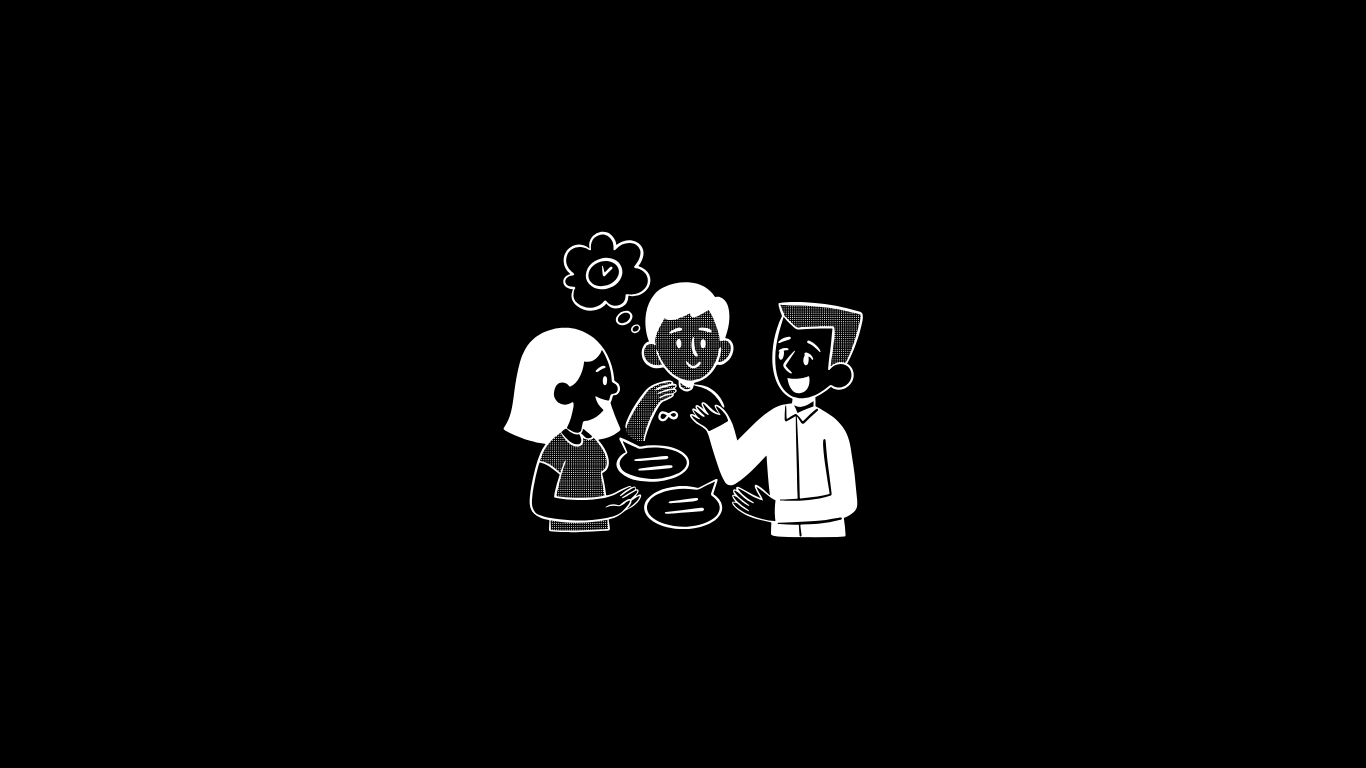
There is a quiet power in responding differently than expected. It often shows up in moments of tension, confrontation, or emotional exchange, when someone approaches you already armed with a script in their mind. They have rehearsed your reactions, your tone, even your words. They believe they know how the scene will unfold. And then it does not.
When you do not respond how they rehearsed, confusion usually comes first. People rely on patterns to feel in control. They study your past behavior, your personality, your triggers, and they build a mental model of you. That model becomes part of their strategy. Maybe they expect you to apologize. Maybe they expect anger, defensiveness, or silence. When you offer something else, calm, clarity, boundaries, or even indifference, it disrupts the entire dynamic.
This disruption can feel uncomfortable, both for them and for you. For them, it can feel like losing their footing. Their emotional preparation no longer fits the moment. They may try to steer the conversation back toward the version they practiced, repeating accusations, escalating their tone, or pushing buttons they assume will work. For you, it can feel strange to step outside of old habits. Growth often feels unfamiliar, even when it is healthy.
Many people rehearse because they are trying to protect themselves. They anticipate conflict and prepare for impact. Others rehearse because they are trying to control the outcome. They want to provoke a certain response so they can justify their own feelings or actions. In either case, your unexpected response removes the reward they were seeking. Without the reaction they counted on, their narrative begins to fall apart.
This is especially noticeable in relationships where there has been a long history of emotional roles. One person is the fixer. One person is the explosive one. One person is always wrong. One person is always forgiving. When you step out of the role assigned to you, it forces the other person to confront something uncomfortable. They must now engage with who you are becoming, not who you used to be.
Not responding how they rehearsed does not mean being cold or cruel. Often, it means being intentional. It means choosing honesty over defensiveness. It means choosing silence over chaos. It means choosing a boundary instead of an argument. These choices can feel radical to people who are used to emotional predictability, even if that predictability was unhealthy.
There is also a mirror effect in these moments. When you do not perform as expected, the other person is left facing their own behavior without distraction. They can no longer point to your reaction as the main issue. Sometimes this leads to growth. Sometimes it leads to anger. Sometimes it leads to distance. None of those outcomes mean you did something wrong.
It is important to understand that you are not responsible for matching someone else’s rehearsal. You are allowed to change. You are allowed to respond from a place of self respect instead of survival. You are allowed to pause, to think, to say you need time. These are signs of emotional maturity, even if they make others uncomfortable.
Over time, responding differently reshapes your internal world as well. You begin to trust yourself more. You realize that you do not have to earn peace by performing. You learn that not every moment requires a reaction, and not every invitation to conflict deserves your energy. This is how cycles break. This is how new patterns form.
When you do not respond how they rehearsed, you reclaim authorship of your own story. You stop being a predictable character in someone else’s script. You become a person making conscious choices. That shift may not always be celebrated, but it is deeply transformative.
And sometimes, the most powerful response is simply being yourself, unrehearsed, grounded, and no longer available for roles that no longer fit.
Hope this helps,
-B
Leave a Reply